

 ไทย
 Français
 Русский
 Deutsch
 Español
 中文
 한국어
 日本語
The First 30 Days: Guide to Adopting a Cat in Thailand
Bringing a new cat into your Thai home? Discover essential tips for safe rooms, condo safety, vet checks, and helping your pet adjust to their new environment.

Boba
4 May 2026 · 5 min read

Bringing a new cat into your home is one of the most rewarding experiences a pet lover can have. Whether you have rescued a resilient "soi cat" from the streets of Bangkok, adopted a kitten from a shelter in Chiang Mai, or taken in a feline companion from a local rescue group, those first few weeks are a beautiful, if sometimes anxious, period of adjustment. Thailand’s bustling urban environments, tropical climate, and specific housing styles—such as high-rise condominiums—present unique considerations for new cat owners.
The key to a successful transition is understanding that cats are territorial creatures who thrive on predictability. Forcing a new cat to adapt to a large, unfamiliar environment all at once can lead to stress, hiding, and behavioral issues. By breaking their integration down into manageable steps over the first 30 days, you can build a foundation of trust that will last a lifetime.

Setting Up a Dedicated Safe Room
Before your new companion even steps foot inside your home, you must prepare a designated "safe room." This should be a quiet, low-traffic area, such as a spare bedroom, a study, or even a large, well-ventilated bathroom. The goal is to limit their initial environment so they do not feel overwhelmed by the sheer scale of their new home.
Equip this room with all the essentials your cat will need during their first week:
- Food and water stations: Keep these clearly separated from each other, as cats naturally prefer not to drink right next to where they eat.
- The litter box: Place the litter box in a quiet corner, far away from their food bowls. Ensure it is easily accessible and filled with high-quality, low-dust litter.
- Hiding spots: Provide safe places for your cat to retreat. A simple cardboard box with a soft blanket inside, or the space under a low chair, works perfectly.
- Scratching posts: Cats need to scratch to stretch their muscles and mark their new territory with scent glands in their paws.
Keep your new cat in this safe room for the first few days. Spend quiet time with them, sitting on the floor, reading a book, or speaking in low, soothing tones. Let them approach you on their own terms.
Securing Your Space: Condo Windows and Balconies
For many pet owners in Thailand’s major cities, condo living is the norm. While high-rise apartments offer great views and modern amenities, they present a significant hazard for curious cats. "High-rise syndrome" is a very real danger, where cats fall from balconies or windows, often resulting in severe injuries.
Before you allow your cat out of their safe room and into the main living areas, you must secure your windows and balconies. Never rely on standard insect or mosquito screens to keep your cat safe. These screens are designed to keep bugs out, not to hold the weight of a determined cat. A cat can easily claw through thin mesh or push the screen out of its frame when chasing a passing bird or gecko.
Invest in sturdy, heavy-duty pet wire mesh, metal grilles, or custom balcony netting. If you rent your condo, speak with your juristic office or landlord about pet-safe, non-invasive installation options. Additionally, during Thailand's hot season, ensure your home remains well-ventilated. If you leave windows open to catch a breeze, double-check that the safety screens are securely locked in place.
The Essential First-Week Vet Check
Within the first seven days of bringing your cat home, schedule a comprehensive health check with a local veterinarian. This is crucial whether you have adopted a young kitten or an adult cat. Your vet will perform a physical examination, check for common parasites, and establish a vaccination schedule.
In Thailand, certain health measures are vital due to our tropical climate:
- Vaccinations: Rabies vaccination is legally required. Your vet will also recommend core vaccines protecting against Feline Panleukopenia, Calicivirus, and Rhinotracheitis.
- Parasite prevention: Fleas, ticks, and ear mites thrive in warm, humid conditions. Furthermore, mosquitoes transmit heartworm, a potentially fatal disease in cats. Ask your vet for a suitable monthly preventative treatment.
- Microchipping: If you plan to travel internationally with your cat in the future, or simply want peace of mind, discuss microchipping. For official regulations regarding pet registration and international travel, always consult the Department of Livestock Development.
Remember to bring any medical history or vaccination cards provided by the shelter or previous owner to your first appointment.
Understanding Hiding and Cat Behaviour
It is completely natural for a newly adopted cat to hide for the first few days, or even the first two weeks. Do not interpret this as a sign that they do not like you. In the feline world, hiding is a natural coping mechanism for stress and uncertainty.
Never force your cat out of a hiding spot. Dragging a fearful cat from under a bed will only damage their trust in you and may result in defensive scratches or bites. Instead, make sure they can easily access their food, water, and litter box from their hiding place.
Keep an eye on the temperature in their hiding spot. During the peak summer months, make sure the room does not become stifling. Use a fan on a low, quiet setting to circulate air, or keep the air conditioning at a moderate, comfortable temperature. Once your cat feels secure and realizes that no threats exist in their new environment, their natural curiosity will eventually coax them out.
Introducing Other Pets Slowly
If you already have resident dogs or cats, introducing a new feline family member requires patience and a structured approach. Never simply put the animals in the same room and "let them work it out." This can lead to fights, injuries, and long-lasting behavioral issues.
Start with scent swapping. Rub a clean towel over your new cat and place it in the resident pet's area, and vice versa. This allows both animals to become familiar with each other's scent without any visual pressure.
Next, allow them to see each other through a cracked door, a baby gate, or a glass partition while feeding them treats. This associates the sight of the other animal with positive rewards. Only progress to face-to-face, supervised meetings once both animals remain calm and relaxed during these indirect interactions. This process can take anywhere from a few days to several weeks, so go at the pace of the most anxious animal.
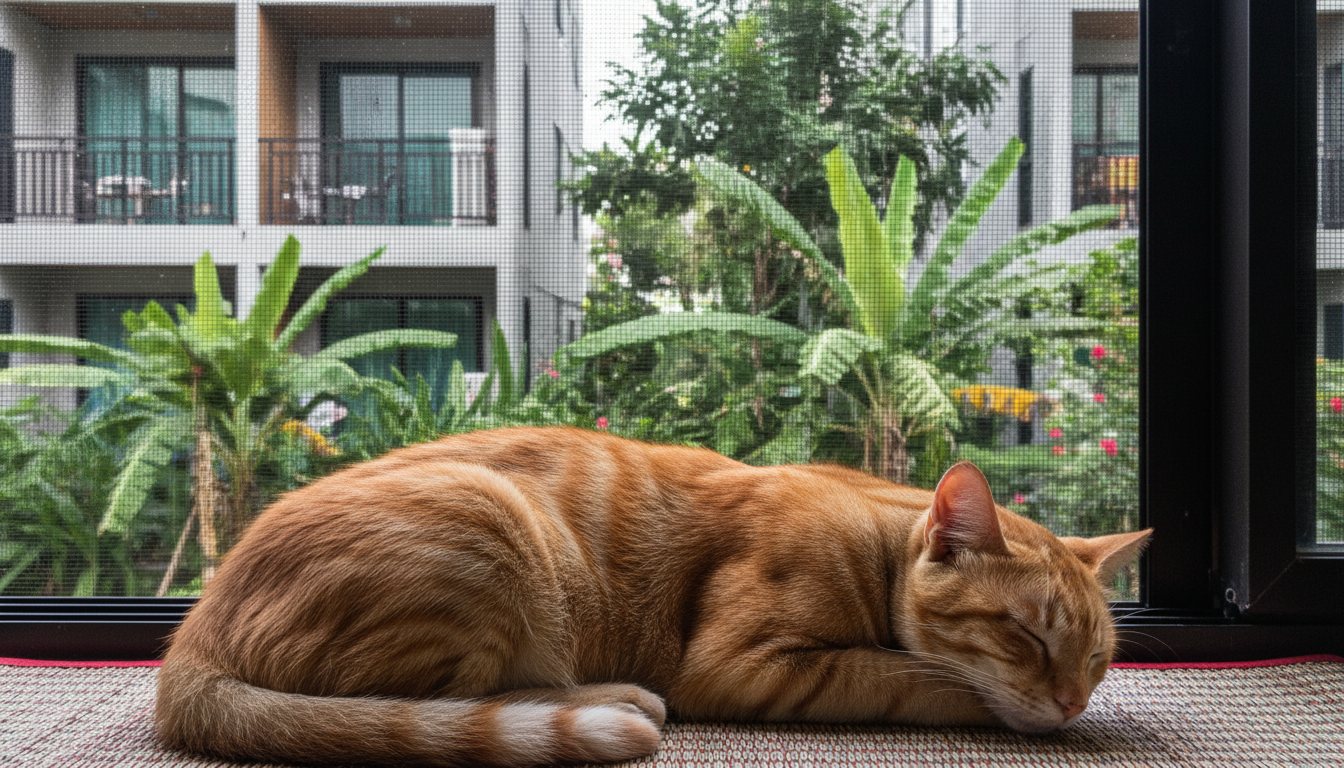
By the end of the first 30 days, you will likely see a dramatic transformation. The timid cat who once hid behind the washing machine will begin to claim their favorite sunny spot on the floor, greet you at the door, and become an irreplaceable part of your Thai household.
This guide is general information, not veterinary or legal advice. Rules, fees and requirements change: check with your vet or the relevant authority before you act.
Written by
Boba
Part of the Wagdee community of pet lovers in Thailand.
Keep reading
 Adoption & rescue
16 May 2026 · 5 min read
Soi Dogs: Understanding Thailand's Street Dogs
Discover the cultural context of Thailand's street dogs, learn how to stay safe around territorial packs, and find out how to support local rescue efforts responsibly.
 Adoption & rescue
12 May 2026 · 4 min read
Adopting a Rescue Dog in Thailand: A Complete Guide
Ready to welcome a new four-legged family member? Discover how to choose a shelter, prepare your tropical home, and help your Thai rescue dog settle in smoothly.
Boba Adoption & rescue
8 May 2026 · 5 min read
Fostering Pets in Thailand: A Rewarding Way to Save Lives
Discover how fostering a rescue dog or cat in Thailand works, from managing the tropical climate to the bitter-sweet joy of helping them find a forever home.
Boba