

 ไทย
ไทย
 Français
 Русский
 Deutsch
 Español
 中文
中文
 한국어
한국어
 日本語
日本語
Heatstroke in Dogs: Spotting the Signs in a Thai Summer
As Thailand's hot season peaks, learn how to protect your dog from heatstroke, recognize the early warning signs, and take immediate life-saving action.
Boba
24 September 2026 · 5 min read
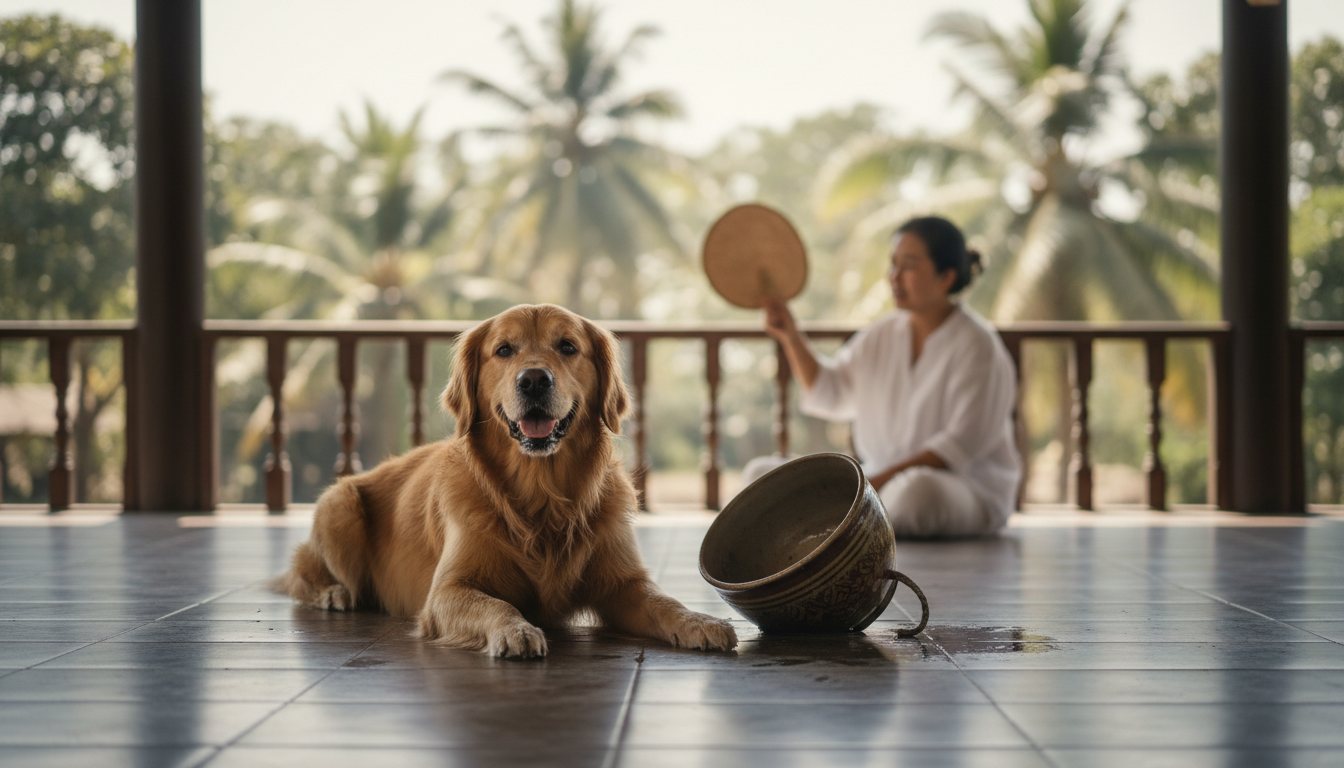
As the calendar turns to March, a familiar shift occurs across Thailand. The cool breeze of the early months fades away, replaced by the intense, radiant heat of the pre-monsoon season. Between March and May, temperatures in Bangkok, Chiang Mai, and the southern islands regularly climb past 38 degrees Celsius. While humans can retreat to air-conditioned shopping malls, change into lighter clothing, or sweat to cool down, our canine companions do not have these luxuries. Dogs do not sweat the way we do; they rely almost entirely on panting to release trapped body heat.
When the ambient temperature rises, and the humidity thickens, this natural cooling mechanism can quickly fail. Heatstroke in dogs is a fast-acting and life-threatening medical emergency. For pet owners living in or visiting Thailand, understanding how the local climate impacts your dog, recognizing the subtle early signs of heat exhaustion, and knowing exactly what to do in an emergency can mean the difference between life and death.
Why the Thai Climate is a Unique Threat
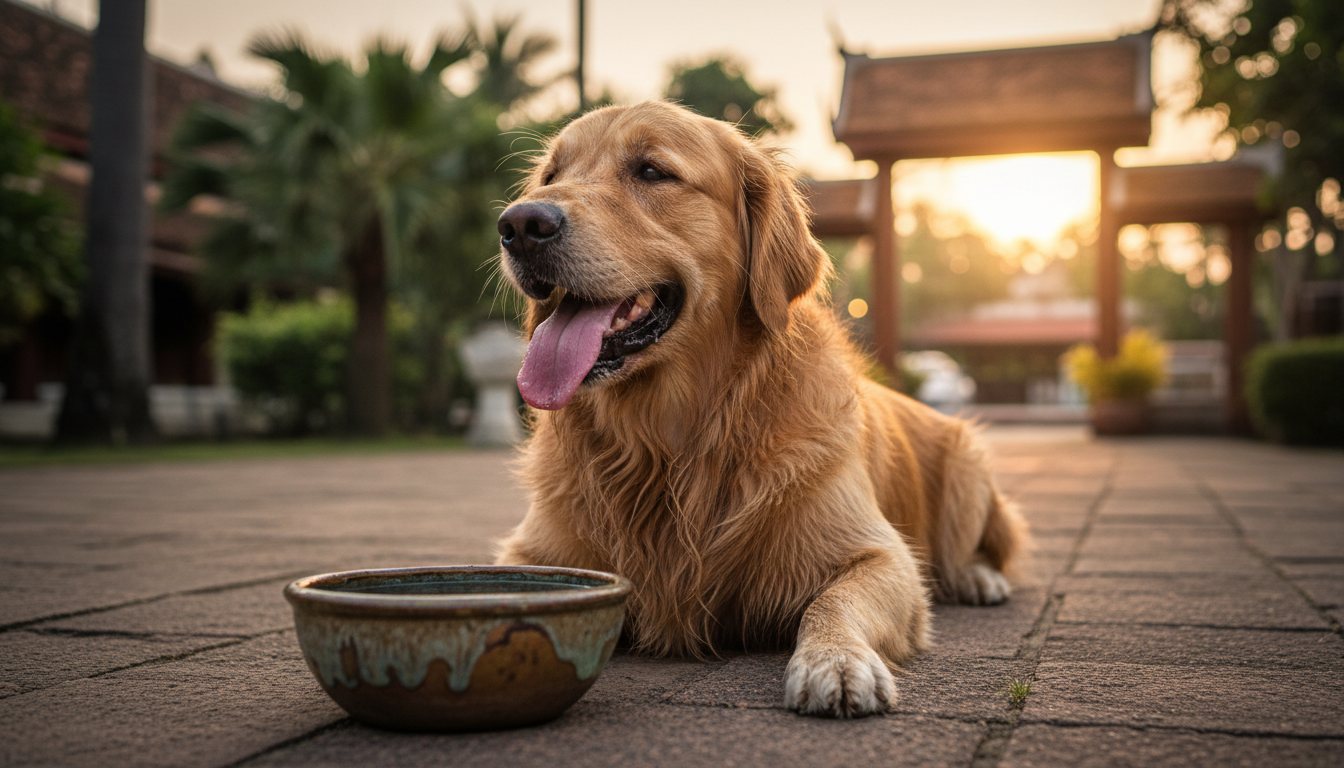
Thailand's summer is not just hot; it is incredibly humid. This combination creates a high heat index, which measures how hot it actually feels when relative humidity is factored in with the air temperature. When the humidity is high, moisture does not evaporate easily. For a dog, this means the saliva on their tongue does not evaporate quickly when they pant, making their primary method of cooling down highly inefficient.
Furthermore, urban environments in Thailand present unique hazards. Cities like Bangkok are filled with concrete, asphalt, and high-rise buildings that trap heat, creating what scientists call urban heat islands. Pavements and concrete pathways absorb the tropical sun all day, radiating intense heat long after the sun has begun to set. Walking your dog on these surfaces can lead to rapid overheating and severe paw pad burns.
High-Risk Breeds and Vulnerable Pups
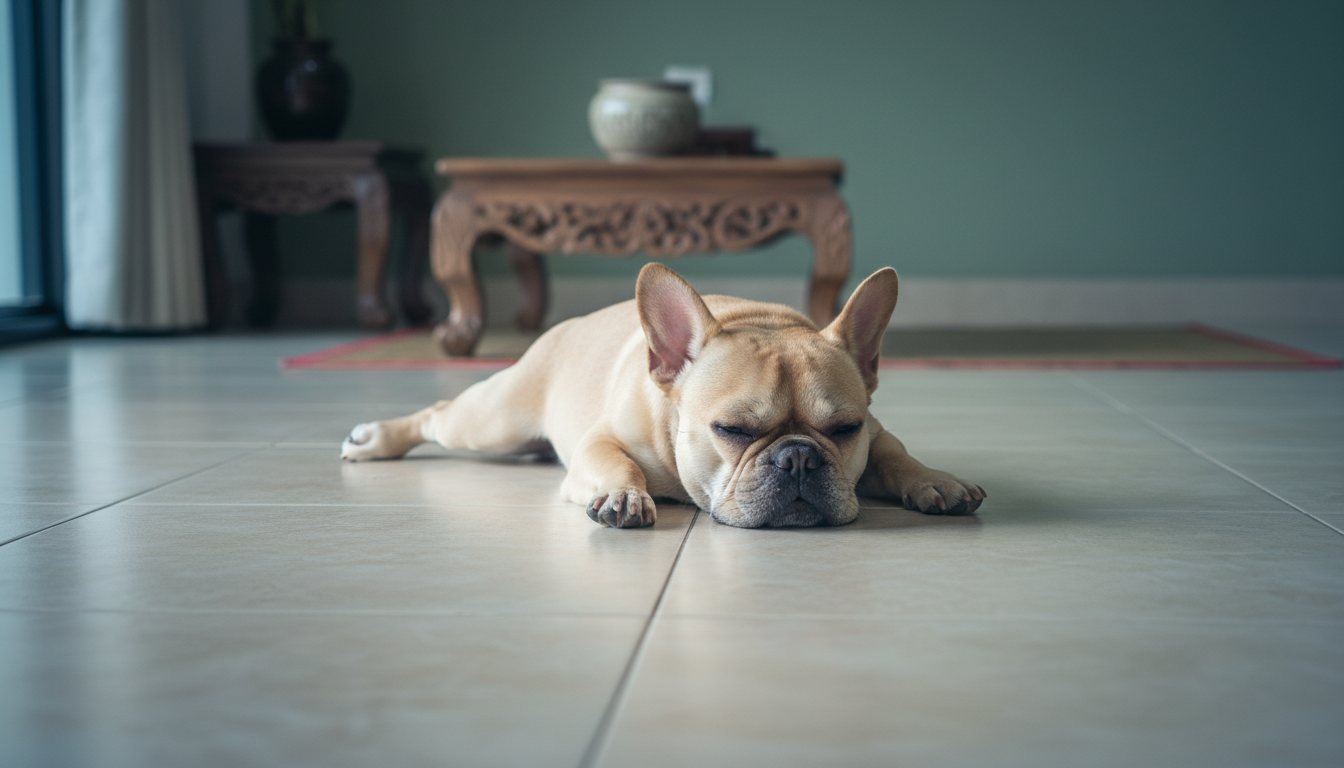
While any dog can suffer from heatstroke, certain dogs are far more vulnerable to the Thai climate. Flat-faced, or brachycephalic, breeds are at the highest risk. Dogs like French Bulldogs, Pugs, English Bulldogs, Shih Tzus, and Boxers have shortened airway systems. Their compressed nasal passages and elongated soft palates make it physically difficult for them to draw in enough air to cool themselves efficiently. For these breeds, even a brief walk in the midday heat can be fatal.
Thick-coated breeds that are naturally suited for colder climates, such as Siberian Huskies, Alaskan Malamutes, and Samoyeds, also struggle immensely in Thailand. Their heavy double coats trap heat close to their bodies. Finally, senior dogs, puppies, overweight dogs, and those with pre-existing heart or respiratory conditions have a much lower tolerance for heat and require extra vigilance from their owners.
Spotting the Early Signs of Heatstroke
Preventing heatstroke starts with knowing what to look for. The transition from a warm, tired dog to a dog in a medical crisis can happen in a matter of minutes. You should monitor your dog closely whenever they are outdoors during the warmer hours of the day.
Early signs of heat stress include:
- Frantic, heavy, or unusually loud panting
- Excessive drooling with thick, sticky saliva
- Bright red gums, tongue, or inner ears
- A wide, flat tongue hanging far out of the mouth
- Lethargy, reluctance to move, or a dazed expression
Advanced signs of heatstroke include:
- Vomiting or diarrhea
- Loss of balance, stumbling, or weakness in the hind legs
- Confusion, lack of response to commands, or glassy eyes
- Collapse, seizures, or loss of consciousness
Crucial Prevention Rules for Thai Summers
Preventing heatstroke is far easier than treating it. By adjusting your daily routine during the hot season, you can keep your dog safe and comfortable.
First, shift your walking schedule. Avoid taking your dog out between 10:00 AM and 4:00 PM, when the sun is at its strongest. Instead, walk them in the very early morning before the ground heats up, or late in the evening after sunset. Always perform the five-second pavement test before letting your dog walk: place the back of your bare hand firmly on the pavement. If you cannot comfortably keep it there for five seconds, it is too hot for your dog's paws.
Second, never leave your dog in a parked car, even for a few minutes, and even with the windows cracked. In the Thai sun, the temperature inside a closed vehicle can climb to over 48 degrees Celsius in less than ten minutes, turning the car into an oven.
Finally, ensure your dog always has access to shade and clean, cool drinking water. Indoors, keep the air conditioning or fans running. If your dog spends time in a yard, ensure there is plenty of natural shade, and consider setting up a shallow plastic wading pool filled with cool water for them to splash in.
Emergency First Steps: What to Do
If you suspect your dog is suffering from heatstroke, you must act immediately. Do not wait to see if they improve, and do not waste time trying to transport them to a distant hospital without cooling them down first.
Follow these immediate steps:
- Move to the shade: Instantly bring your dog into an air-conditioned room or a shaded, drafty area.
- Cool them down gradually: Pour cool, tap-temperature water over their body, focusing on the back of the head, neck, armpits, belly, and paw pads. Do not use ice-cold water or ice baths. Extremely cold water causes the blood vessels in the skin to constrict, which actually traps heat inside the body's core and makes the condition worse.
- Use a fan: Position a fan to blow air directly over your wet dog to speed up evaporation and cooling.
- Offer water: Offer fresh, cool water, but do not force them to drink. Forcing water down an semi-conscious dog's throat can lead to choking or aspiration.
Once you have initiated these cooling measures, you must get your dog to a veterinarian immediately. Even if your dog seems to recover and stops panting, internal organ damage can occur silently and show symptoms hours or days later. A veterinarian will need to monitor their temperature, administer intravenous fluids, and check for complications.
If you are located in western Bangkok, having a trusted medical team on hand is vital. Facilities like Sunshine Pet Vet Clinic can provide the urgent assessment, professional cooling therapies, and supportive care your dog needs during a heat emergency.

By staying vigilant, adjusting your daily routines to match the tropical seasons, and knowing how to respond in a crisis, you can ensure your beloved companion stays safe, cool, and healthy throughout the vibrant Thai summer.
This guide is general information, not veterinary or legal advice. Rules, fees and requirements change: check with your vet or the relevant authority before you act.
Written by
Boba
Part of the Wagdee community of pet lovers in Thailand.
Keep reading
 Health & care
28 September 2026 · 4 min read
Rabies in Thailand: What Every Pet Owner Should Know
Protect your dog or cat from rabies in Thailand. Learn about annual boosters, emergency steps for animal bites, and keeping your pet's vaccination records up to date.
 Health & care
20 September 2026 · 4 min read
Ticks, Fleas, and Blood Parasites in Thailand: A Year-Round Guide
Protect your pets from Thailand's year-round tick and flea threat. Learn how to prevent blood parasites, spot early warning signs, and keep your home pest-free.
 Health & care
16 September 2026 · 4 min read
Heartworm Prevention in Thailand: A Year-Round Job
Discover why heartworm prevention is a continuous, year-round responsibility in Thailand's tropical climate, and how to protect your pets safely.