

 ไทย
ไทย
 Français
 Русский
 Deutsch
 Español
 中文
中文
 한국어
한국어
 日本語
日本語
Thai Street Food Your Dog Must Never Eat
Thai street food is legendary, but many common local dishes contain ingredients that are highly toxic to dogs. Here is what to keep away from your pup.
Boba
26 August 2026 · 4 min read

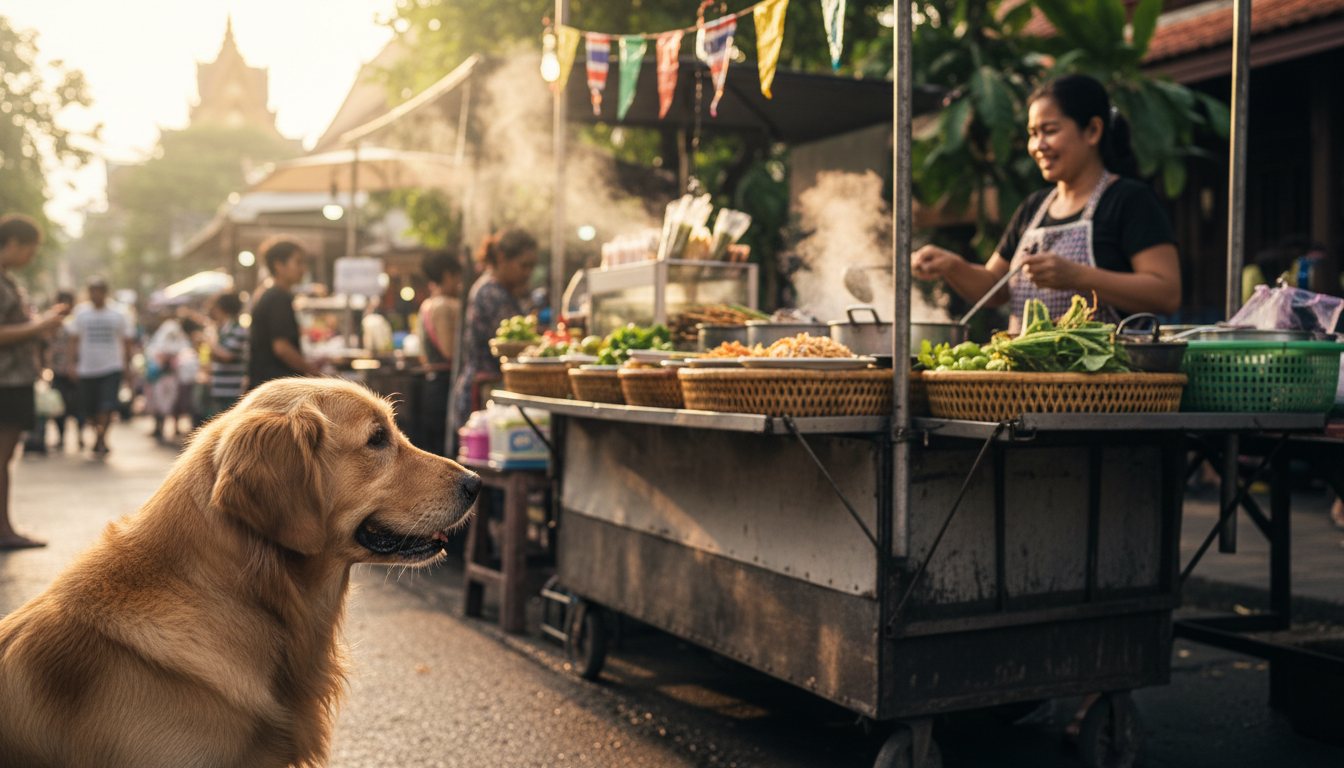
Walking through a bustling night market in Bangkok or Chiang Mai is a sensory overload. The smoky aroma of grilled meats, the sizzle of stir-fries, and the sweet scent of coconut desserts draw in humans and dogs alike. It is incredibly tempting to slip your canine companion a bite of your street food snack. After all, local dogs seem to navigate these stalls with ease. However, pet dogs have different nutritional tolerances, and many common ingredients in Thai cuisine are highly toxic to dogs. Understanding these hazards is essential for keeping your pet safe while enjoying Thailand's vibrant food culture.
The Hidden Killers: Garlic, Onions, and Shallots
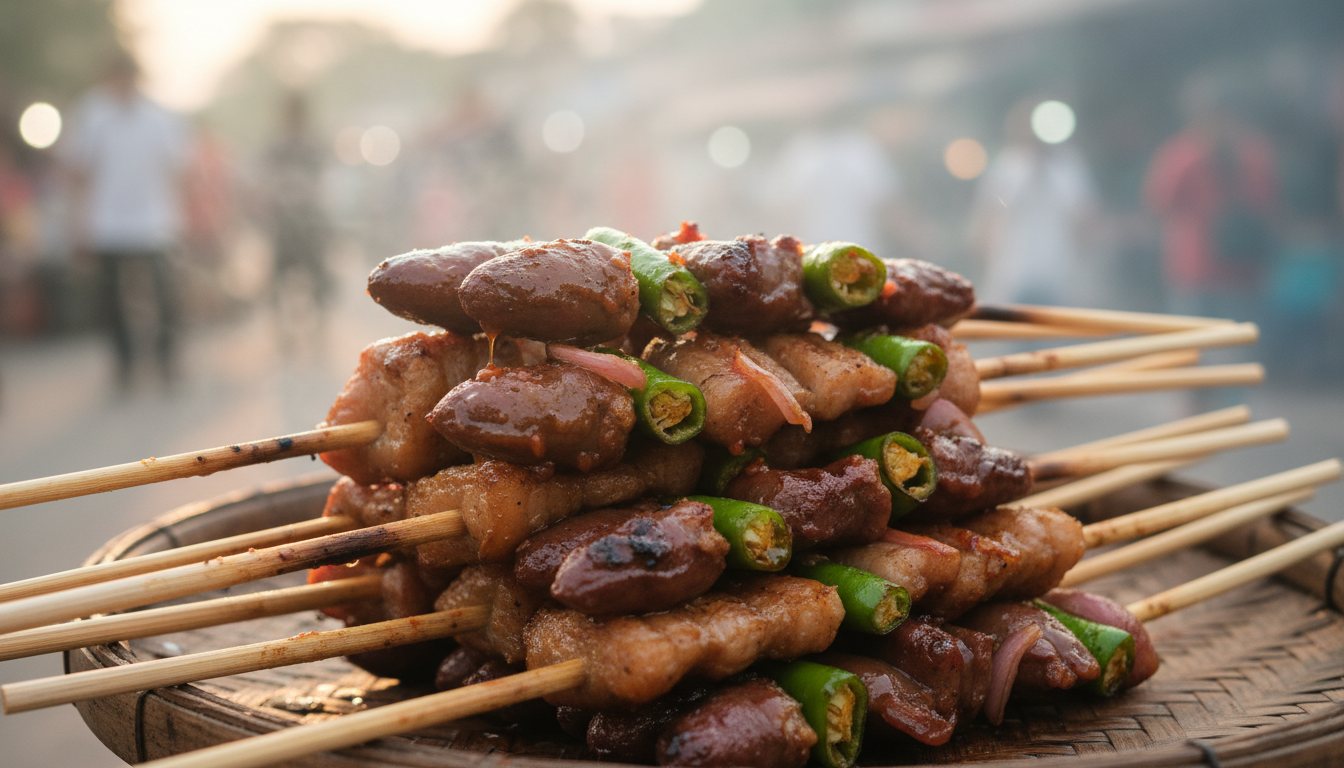
Almost every savory Thai dish begins with a flavorful base of aromatics. Shallots (hom daeng), garlic (kratiem), and onions are staples in dishes ranging from pad kra pao (holy basil stir-fry) to the marinades used for moo ping (grilled pork skewers). While delicious for us, these ingredients belong to the Allium family, which is highly toxic to dogs.
Allium species contain compounds called thiosulfates. Dogs lack the enzymes necessary to digest these compounds, which cause oxidative damage to their red blood cells. This can lead to a serious condition called hemolytic anemia, where the body destroys its own red blood cells. Symptoms of poisoning—such as lethargy, pale gums, rapid breathing, and dark-colored urine—may not appear for several days after ingestion. Even cooked, powdered, or dehydrated garlic and onions remain toxic, so never share dishes that use them as base ingredients.
The Spicy and Salty Danger: Chilli and Heavy Seasoning
Thai food is world-famous for its heat, but dogs are completely unequipped to handle spicy food. Chillies (prik) contain a chemical compound called capsaicin, which acts as a severe irritant to a dog's digestive tract. Feeding your dog even a small piece of spicy meat can lead to intense stomach pain, vomiting, severe diarrhea, and excessive gas.
Equally dangerous is the high sodium content found in Thai street food. Sauces like fish sauce (nam pla), soy sauce, and oyster sauce are heavily used in stir-fries, soups, and marinades. Dogs are highly sensitive to sodium. Consuming highly salty street food can lead to salt poisoning (sodium ion toxicosis). This condition causes extreme thirst, frequent urination, vomiting, tremors, and in severe cases, seizures. Stick to plain, unseasoned meats prepared at home instead.
Cooked Bones and Deadly Bamboo Skewers
One of the most common sights on Thai streets is grilled meats on sticks, such as moo ping and kai yang (grilled chicken). While meat itself is a dog favorite, the bones and the skewers they are served on present immediate physical dangers.
Cooked bones become brittle and splinter easily. When chewed and swallowed, these sharp splinters can tear your dog's esophagus, stomach, or intestines, leading to life-threatening internal bleeding or blockages.
Bamboo skewers are also a massive hazard. The sharp wooden sticks used for grilling are often discarded on the street or left in low-lying trash bins. Dogs attracted by the leftover meat juices may swallow the skewers whole or chew them into sharp splinters, causing catastrophic internal punctures. Always dispose of skewers in secure bins where your dog cannot reach them.
Sticky Rice and Sweet Temptations
Sticky rice (khao niao) is a beloved staple, especially when paired with grilled meats or mango. However, sticky rice presents a unique physical hazard for dogs. Because of its dense, highly gelatinous texture, it can easily expand and get stuck in a dog's throat, posing a severe choking hazard, particularly for smaller breeds. If swallowed in large quantities, it can form a dense mass in the stomach, leading to painful indigestion or bowel obstructions.
For dessert, Thai street markets offer a variety of sweet treats, but many are dangerous. Chocolate-filled roti contains theobromine, which is highly toxic to dogs and can cause heart arrhythmias and seizures. Other desserts, such as foi thong (golden egg strips), are exceptionally high in sugar and fats, which can trigger acute pancreatitis—a painful and potentially fatal inflammation of the pancreas. Additionally, keep an eye out for grapes and raisins, which are sometimes found in fruit stalls or local salads; even a small amount can cause sudden kidney failure in dogs.
What to Do in an Emergency
If you suspect your dog has eaten something toxic or swallowed a sharp bone or skewer, acting quickly is vital. Do not wait for symptoms to appear, as some toxins take hours or days to show physical signs.
First, try to identify exactly what your dog ate and the approximate quantity. Do not attempt to induce vomiting at home unless explicitly instructed to do so by a veterinary professional, as inducing vomiting for certain substances or sharp objects can cause further damage to the esophagus.
Immediately contact or visit a local 24-hour veterinary clinic. If you are living in or visiting major hubs like Bangkok, Chiang Mai, or Phuket, there are several fully equipped emergency animal hospitals. For regional areas, veterinary availability can vary, so it is wise to keep a list of local clinics saved on your phone. For guidance on licensed clinics or animal welfare standards, you can consult resources provided by the Department of Livestock Development (DLD) or your local expat pet communities.
This guide is general information, not veterinary or legal advice. Rules, fees and requirements change: check with your vet or the relevant authority before you act.
Written by
Boba
Part of the Wagdee community of pet lovers in Thailand.
Keep reading
 Food & nutrition
22 August 2026 · 4 min read
Fresh Food or Kibble? Feeding Pets in a Hot Climate
Discover the pros and cons of fresh food and kibble in Thailand's tropical climate, and learn how to protect your pet's meals from humidity, mold, and ants.
 Food & nutrition
18 August 2026 · 4 min read
Which Thai Fruits Are Safe for Dogs and Cats?
Discover which delicious tropical fruits from Thailand's local markets are safe for your dogs and cats, and which ones you must avoid at all costs.
 Food & nutrition
14 August 2026 · 4 min read
Keeping Pets Cool: Essential Hydration Hacks for Thailand's Heat
Beat the Thai heat with these practical, expert-approved hydration tips and hacks to keep your dogs and cats safe, healthy, and happy all year round.